

Childhood creates a surprising amount of stuff. Artwork piles up, toys overflow bins, school papers fill drawers, and tiny clothes somehow become impossible to part with. Parents often want to save everything because each object feels tied to a memory. Over time, though, keeping every item can make the truly meaningful pieces harder to appreciate. A smaller collection of carefully chosen keepsakes can tell a richer story, especially when each one captures a moment, personality, or family connection worth holding onto.
Keep Photo Albums That Tell the Story of Growing Up
Digital photos are convenient, but printed photo albums can feel far more personal years later. Save albums that show more than birthdays and holidays. Everyday pictures often carry just as much meaning, including messy breakfasts, backyard play, school mornings, family pets, and ordinary afternoons at home. Photos can preserve small details that memory eventually softens.
You don't need to print every image stored on a phone. Choose photos that show personality, relationships, favorite places, and important stages. A few well-organized albums can be easier to enjoy than thousands of forgotten files. Add dates, names, or short notes when possible. Those little details can help children remember who was there, what was happening, and why a particular moment mattered when they look back years later.
Save Handwritten Letters, Notes, and Cards
Handwritten words carry something that text messages and emails often can't. Save birthday cards with personal messages, notes slipped into lunchboxes, letters from grandparents, and anything your child wrote that captures their voice at a certain age. Even a funny spelling mistake or short "I love you" can feel priceless later.
You can also keep letters written to your child over the years. Some parents like to write one on each birthday, while others save occasional notes about proud moments, funny memories, or family milestones. There’s no need to create a complicated system. A simple folder or small box can hold the most meaningful pieces. Years from now, handwriting can bring back someone's personality, humor, and affection in a way that a generic keepsake rarely can.
Hold Onto One or Two Favorite Toys
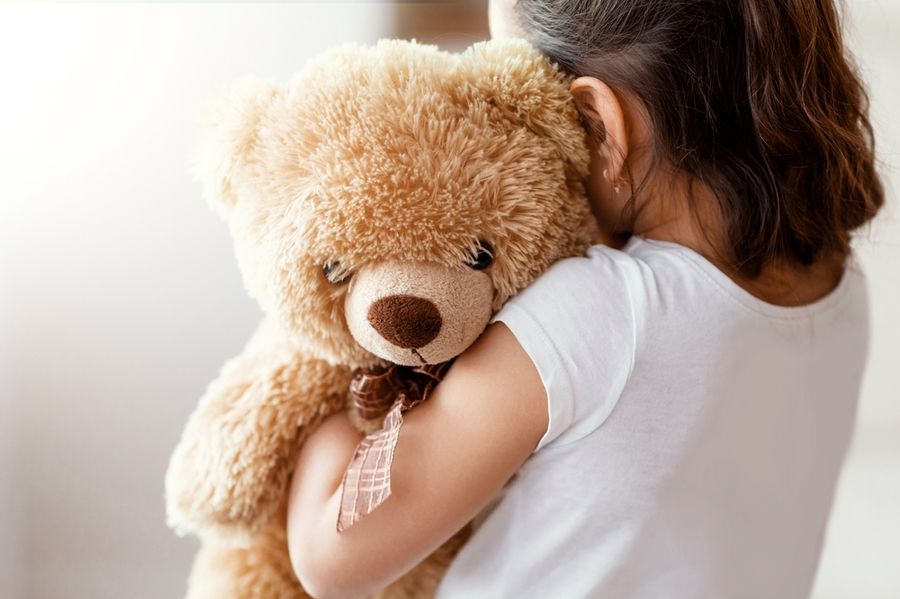
Children can collect dozens of toys, but only a few usually stand out as true childhood favorites. Save the teddy bear that went everywhere, the doll that slept beside them every night, or the toy car that was carried around until the wheels nearly fell off. Wear and tear can actually make a toy more meaningful because it shows how loved it was.
You don't need to keep entire bins of old toys just in case they feel sentimental someday. If a toy was barely played with or doesn't hold a clear memory, letting it go is usually easier. Focus on the items with stories attached to them. A single well-loved stuffed animal can say more about childhood than a shelf full of toys that were quickly forgotten.
Protect Meaningful Family Heirlooms
Meaningful heirlooms connect a child's story to the generations that came before. A small piece of jewelry, a handmade quilt, an old recipe book, a watch, or a special holiday decoration can carry family history in a way newer objects can't. Save pieces that come with stories, names, or traditions your child may appreciate later.
Whenever possible, write down where an heirloom came from and why it matters. A child may not remember that a blanket was made by a great-grandmother or that a ring belonged to a beloved aunt unless someone records the story. Heirlooms don't need to be valuable in a financial sense. Their worth often comes from the people connected to them and the memories they help pass along.
Choose a Small Collection of Artwork and School Projects
Kids can create an enormous amount of artwork over the years, and saving every page isn't realistic for most families. Instead, choose pieces that show growth, creativity, humor, or a special moment. A first self-portrait, a handmade Mother's Day card, or a school project they were especially proud of can make a wonderful keepsake.
Photographing larger projects can also help when storage space is limited. A cardboard castle or science fair display may be impossible to keep forever, but a few good photos can preserve the memory. Try creating one folder or portfolio for each school year. Limiting the space can make it easier to decide what deserves a permanent place and what can be appreciated for a while before being recycled.
Let Go of Items With No Real Story Attached
Not every baby outfit, broken toy, worksheet, or participation ribbon needs to stay forever. If an item doesn't bring a specific memory to mind, it may not need to take up long-term storage space. Keeping too much can make sentimental collections feel more like clutter than something enjoyable to revisit.
It can help to ask a few simple questions before saving something. Was it truly loved? Does it represent an important stage or person? Would your child likely care about it as an adult? If the answer is no, letting it go can make room for pieces with stronger meaning. You can also take a photo before donating or discarding an item if you're not quite ready to lose the memory completely.
Keep the Memories, Not Every Single Object
Saving childhood keepsakes isn't about building a perfect archive. It's about choosing a few things that bring back a person, place, stage, or feeling. Photo albums, handwritten letters, a favorite toy, meaningful heirlooms, and selected artwork can capture years of family life without filling every closet and storage bin.
Letting go of other items doesn't erase the memories attached to childhood. In many cases, a smaller collection makes the pieces you keep feel even more special. Choose objects with real stories, protect them well, and add a little context when you can. Years later, your children may care less about how much you saved and more about the moments those keepsakes help them remember.