

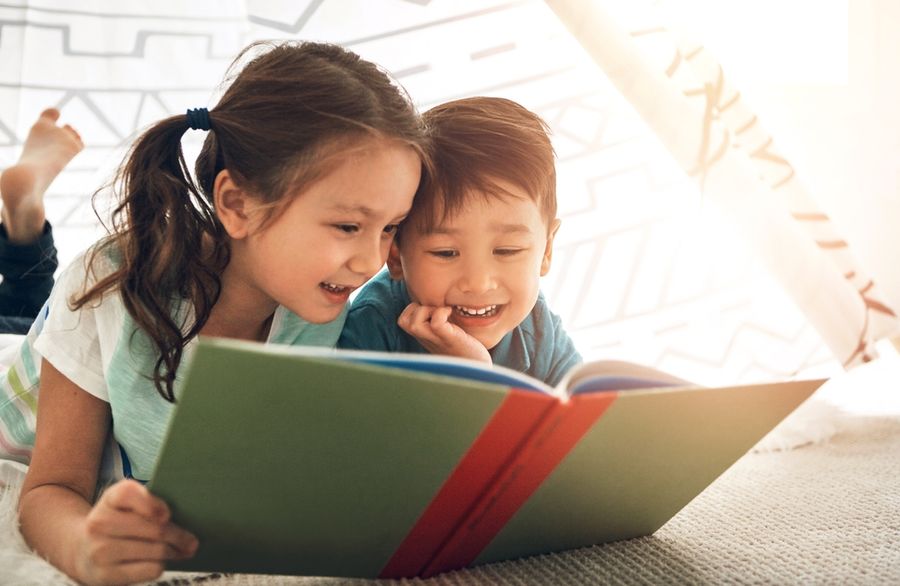
Two siblings can sit at the same dinner table, take the same vacations, and grow up under the same roof, yet describe childhood in surprisingly different ways years later. One may remember home as calm and predictable while another recalls tension, uncertainty, or very different family dynamics. Age, personality, relationships, and the way memories form can all shape what stands out. Sharing a family doesn’t mean experiencing every moment the same way or remembering it identically later.
Sharing a Home Doesn't Create an Identical Childhood
A family creates plenty of shared history, but every child occupies a different place within it. One may be the oldest child expected to take on more responsibility, while another grows up with older brothers or sisters already shaping household routines. A large age gap can also mean children spend key stages of childhood under different circumstances.
Family life itself changes over time. Parents change jobs, move, develop new routines, gain parenting experience, or deal with different pressures. A household that feels one way when the first child is eight may operate differently by the time the youngest reaches the same age.
That distinction matters because "we grew up together" and "we had the same childhood" aren't quite the same statement. Shared surroundings are only one part of a child's experience.
Age Changes What a Child Can Understand
Age can completely change the meaning of a family event. Autobiographical memory develops across childhood alongside language, a growing sense of self, and the ability to organize experiences into a story.
Imagine a family moving across the country. A preschooler might remember sleeping on the floor before the furniture arrived or losing sight of a favorite toy during packing. An older child might focus on leaving friends and starting a new school. A teenager may understand the financial or career reasons behind the move.
The event is identical on the family calendar, but the children aren't processing identical information. When they discuss the move years later, their stories may naturally focus on completely different parts of it.
Each Child Has a Different Relationship With Their Parents
Parents don't interact with every child in exactly the same way. Research involving families with more than one child has found child-specific differences in parent-child conflict within the same household.
Temperament, age, behavior, responsibilities, and family circumstances can all influence those relationships. A parent may be especially strict with one child about schoolwork but rarely argue with another about grades. An older child might remember having an early curfew that disappeared by the time a younger sibling became a teenager.
Parents also learn as they go. Rules that felt essential with a first child may become more flexible with later children. As a result, two people can accurately describe the same parent in strikingly different ways because each relationship developed on its own.
Some Moments Carry More Emotional Weight Than Others
People don't give every childhood experience equal importance. A moment that barely registers for one child can become a defining memory for another because of how it felt at the time.
A family holiday offers a simple example. One child might remember the excitement of seeing cousins and opening gifts. Another might associate the same gathering with feeling ignored, overwhelmed, or embarrassed. Research on autobiographical memory shows that emotion can influence how experiences are encoded and later recalled.
That difference helps explain why siblings sometimes seem puzzled by each other's strongest memories. The event one person keeps returning to may not have carried enough emotional significance to become equally memorable for someone else.
Family Stories Can Keep Certain Memories Alive
Some childhood stories are told so often that they become part of a family's unofficial history. Everyone knows about the vacation when the car broke down, the birthday cake that collapsed, or the time someone got lost at the amusement park.
Conversation plays a role in how autobiographical memories develop. Research has linked more detailed parent-child reminiscing with children's ability to construct richer autobiographical memories.
Not every child participates in those conversations equally. One might constantly ask questions and retell family stories, while another shows little interest. Certain events can therefore stay active in one person's memory while others receive very little rehearsal.
Family storytelling doesn't necessarily create an exact historical record. It can, however, influence which pieces of childhood remain especially familiar decades later.
Memory Rebuilds the Past Rather Than Replaying It
One of the biggest sources of disagreement is the assumption that memory works like stored video. Autobiographical memory is reconstructive, meaning people rebuild past experiences using remembered details along with later knowledge, emotions, and perspective.
That doesn't mean childhood memories are meaningless or automatically inaccurate. It means remembering is an active process rather than a perfect replay.
As adults, people also understand family situations differently than they did as children. Someone may reinterpret a parent's behavior after becoming a parent themselves or learning more about circumstances that were hidden from them at the time. Another person may continue to attach a different meaning to the same event. Two sincere accounts can therefore conflict without either person intentionally changing the story.
Different Memories Don't Always Need a Winner
A disagreement about childhood can quickly turn into an argument over who remembers correctly. That approach works better for some questions than others. Concrete details may sometimes be checked. Old photographs, calendars, school records, letters, messages, or other relatives can help establish where an event happened or roughly when it occurred. They may settle whether the family moved before or after a particular school year.
Emotional experience is different. A photograph can't prove whether someone felt lonely at a birthday party or thought a family vacation was stressful. One person remembering an event fondly doesn't cancel another person's discomfort. The more useful distinction is often between what happened and what the experience meant to each person. Those two questions don't always produce the same answer.
How to Compare Childhood Memories Without Turning It Into an Argument
If you and a sibling remember the past differently, begin with curiosity instead of correction. Ask what stands out most to them about the event before explaining your own version. Their answer may reveal that you're focusing on completely different parts of the same experience.
If the disagreement involves a factual detail that matters, look for something that can verify it rather than relying only on confidence. If the difference involves feelings or family relationships, leave room for both experiences to exist without forcing them into one shared interpretation.
It can also help to compare several memories instead of treating a single disagreement as proof that someone has the "wrong" version of childhood. Patterns may reveal where your experiences genuinely overlapped and where they began to separate.
One Family Can Produce More Than One Childhood Story
Siblings can remember the same childhood differently because sharing a home doesn't erase differences in age, relationships, emotional significance, or the way personal memories are formed and revisited. Their stories may overlap in some places and sharply diverge in others without making either childhood experience meaningless.
The next time a family memory doesn't match, separate the factual event from the personal experience. Ask what your sibling remembers most before deciding that one version has to replace the other.