

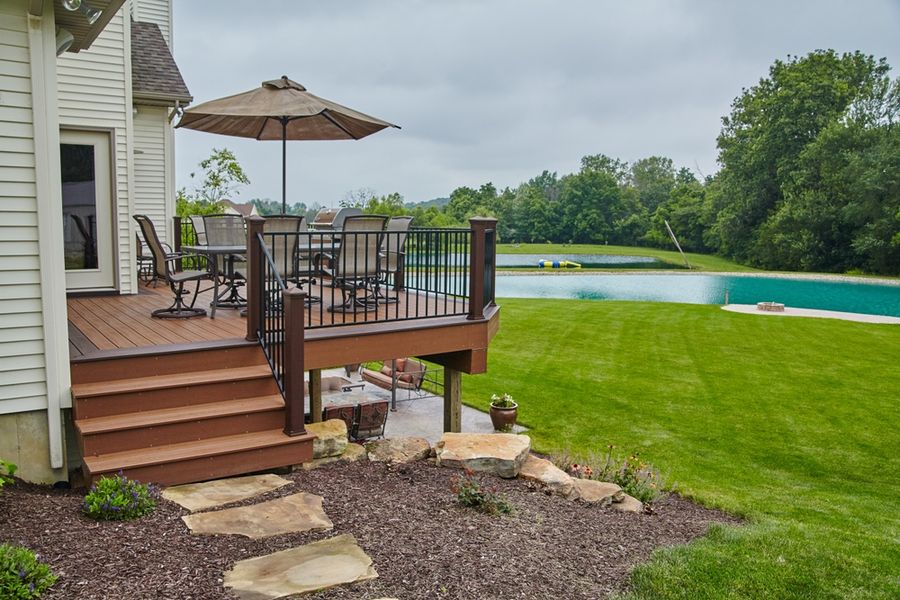
A new deck can transform an outdoor space into a place for enjoying time outside and entertaining. But one of the biggest decisions comes before construction even begins: choosing the right decking material. Each option offers its own balance of appearance, maintenance, durability, and cost. Some homeowners prefer the natural warmth of wood, while others prioritize low maintenance or long-term value. Understanding the differences can make it much easier to select a material that fits both your lifestyle and your budget.
Why the Right Material Matters
Your deck is exposed to sun, rain, snow, temperature swings, and everyday foot traffic throughout the year. Choosing the right material affects much more than appearance. It influences how much maintenance you'll perform, how long the deck lasts, and how well it stands up to your local climate. A material that works perfectly in one environment may require much more upkeep in another.
There's no universal "best" decking material because every homeowner has different priorities. Some people want the lowest upfront cost, while others are willing to spend more initially for lower maintenance and greater longevity. Thinking about your budget, how often you'll use the deck, and how much time you want to spend maintaining it can help narrow the choices before comparing individual materials.
Decking Materials at a Glance
|
Material |
Lifespan* |
Maintenance |
Water Resistance |
Best For |
|
Wood |
10–30+ years (depending on species) |
High |
Moderate |
Traditional appearance and natural beauty |
|
Composite |
Low |
High |
Low-maintenance family decks |
|
|
PVC |
Very Low |
Excellent |
Wet climates and minimal upkeep |
|
|
Aluminum |
Very Low |
Excellent |
Maximum durability and longevity |
*Actual lifespan varies depending on installation quality, climate, maintenance, and product selection.
Popular Decking Materials Explained
It’s worth noting that every decking material has advantages and tradeoffs. Some emphasize natural beauty, while others focus on durability or reduced maintenance. Understanding what each material offers can make it easier to match your choice to the way you actually plan to use your outdoor space.
The following options represent the most common decking materials available today. Each performs differently when it comes to appearance, maintenance, lifespan, weather resistance, and overall value.
Wood Decking
- Best for: Homeowners who love a natural appearance
- Maintenance: High
- Expected lifespan: 10 to 30+ years depending on species and care
- Water resistance: Moderate
- Typical cost: Lower upfront cost (pressure-treated) to premium (hardwoods)
Wood remains the classic decking material and continues to be popular because of its warmth and natural character. Pressure-treated lumber is often the most affordable option, while cedar, redwood, and tropical hardwoods provide richer colors and improved durability. Many homeowners also appreciate that no two wood decks look exactly alike.
That said, the tradeoff is maintenance. Wood decks typically require regular cleaning, staining, or sealing to protect against moisture, fading, and insects. Without proper care, boards can crack, splinter, warp, or rot over time. However, for homeowners who enjoy maintaining natural materials, wood offers timeless appeal that many manufactured products still try to imitate.
Composite Decking
- Best for: Homeowners seeking low maintenance
- Maintenance: Low
- Expected lifespan: 25 to 30+ years
- Water resistance: High
- Typical cost: Moderate to high upfront investment
Composite decking combines recycled wood fibers with plastic to create boards designed to resist many of the problems associated with traditional lumber. Better yet, modern composite products are available in a wide range of colors and realistic wood-grain finishes, allowing homeowners to achieve a natural appearance without frequent staining or sealing.
Maintenance is fairly easy too! Routine care generally consists of occasional washing with soap and water to remove dirt and debris. Composite boards resist fading, splintering, and insect damage much better than many wood products, making them an attractive choice for busy homeowners who want an attractive deck without committing to regular maintenance throughout the year. So what’s the tradeoff? Composite is more expensive than lumber. However, experts say that composite decking often pays for itself within a few years when you factor in the annual maintenance costs (or the lack thereof!).
PVC Decking
- Best for: Wet climates and minimal maintenance
- Maintenance: Very low
- Expected lifespan: 30+ years
- Water resistance: Excellent
- Typical cost: Premium
PVC decking is manufactured entirely from synthetic materials, making it highly resistant to moisture, mold, mildew, and insects. Because it contains no wood fibers, it doesn't absorb water the way many other materials can. This is what makes PVC especially appealing for decks surrounding pools, lakes, or coastal homes where moisture exposure is frequent.
Another advantage is how little maintenance it requires. Occasional cleaning is usually enough to keep the boards looking their best. While PVC often carries one of the highest purchase prices, many homeowners view the reduced maintenance and impressive durability as worthwhile long-term benefits.
Aluminum Decking
- Best for: Maximum durability and longevity
- Maintenance: Very low
- Expected lifespan: 30 to 50+ years
- Water resistance: Excellent
- Typical cost: Premium
Aluminum decking isn't as common as wood or composite, but it's one of the most durable options available. It won't rot, warp, crack, splinter, or attract insects, making it well suited for homeowners who want a deck that can withstand decades of use with very little maintenance. Many aluminum systems also feature textured finishes that improve traction, even when the surface is wet.
The higher upfront cost is often the biggest consideration. Aluminum also has a more modern appearance that may not appeal to homeowners looking for the traditional warmth of wood. However, for those prioritizing longevity, fire resistance, and minimal upkeep, it can be an excellent long-term investment.
Comparing Cost vs. Value
The least expensive decking material isn't always the most affordable over the life of the deck. Pressure-treated wood usually has the lowest upfront cost, but regular staining, sealing, repairs, and eventual board replacement can add significantly to long-term ownership costs. Composite, PVC, and aluminum typically require a larger initial investment but often reduce maintenance expenses over many years.
It's also worth thinking about how long you plan to stay in your home. If you're building a deck you'll enjoy for decades, spending more on durable, low-maintenance materials may provide better overall value. But if budget is the primary concern or the deck is intended for shorter-term use, wood may still offer an excellent balance between appearance and affordability.
Frequently Asked Questions
Which decking material lasts the longest?
Aluminum and high-quality PVC decking generally offer the longest lifespan, often lasting 30 years or more with minimal maintenance. Composite decking also provides excellent longevity, while wood lifespan depends heavily on the species selected and the level of ongoing maintenance.
Is composite decking worth the extra cost?
For many homeowners, yes. Composite decking costs more initially, but the reduced need for staining, sealing, and repairs can make it a cost-effective choice over time. It's especially popular with homeowners who prefer spending time enjoying their deck rather than maintaining it.
Does wood decking always require staining?
Most wood decks benefit from regular staining or sealing to protect against moisture, UV exposure, and weathering. The exact maintenance schedule depends on the wood species, local climate, and the finish used.
Which decking material works best around pools?
PVC decking is often considered one of the best choices for pool areas because it resists moisture, mold, and mildew exceptionally well. Many products also remain slip-resistant and require very little maintenance in wet environments.
Can composite decking fade over time?
Modern composite decking is designed to resist fading much better than earlier products. While some natural weathering may occur during the first few months after installation, quality composite boards generally retain their color well for many years with basic cleaning.
Which decking material adds the most home value?
A well-built deck using any quality material can enhance outdoor living space and improve curb appeal. Composite decking is often viewed favorably because of its durability and low maintenance, while natural wood remains attractive to buyers who appreciate its traditional appearance.
Choosing a Deck That Fits Your Lifestyle
Every decking material offers its own strengths, and the right choice ultimately depends on your priorities. Wood delivers timeless character, composite balances appearance with convenience, PVC excels in moisture resistance, and aluminum offers exceptional durability with very little upkeep. Understanding how each material performs makes it easier to invest confidently in a deck that matches both your home and your lifestyle.
Rather than focusing only on the purchase price, consider how much maintenance you're comfortable performing, the climate where you live, and how long you expect the deck to remain part of your home. Taking a long-term view often leads to a choice that provides greater satisfaction for years to come, creating an outdoor space that's enjoyable in every season.