

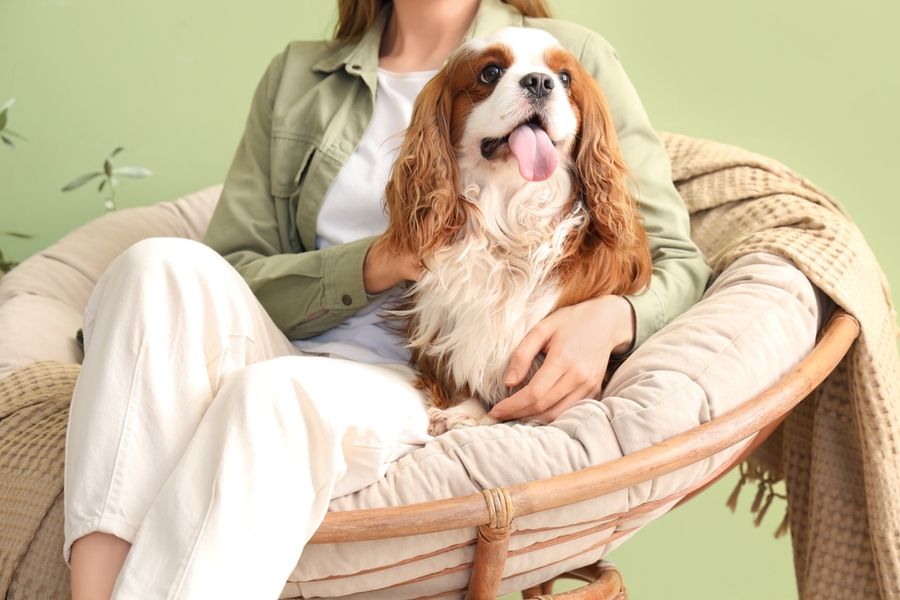
Choosing a first dog is less about finding an easy breed and more about matching daily needs to a routine you can maintain. Exercise, grooming, training, household size, and time spent alone can create very different experiences. A breed that fits an apartment may still need close companionship, while a social family dog may require more activity than expected.
What First-Time Owners Need to Compare
Breed tendencies can help narrow the search, but they don’t guarantee how an individual dog will behave. The practical comparison is how much exercise, coat care, training, supervision, and companionship each option usually needs. The American Kennel Club also recommends matching a dog to living space, activity plans, grooming tolerance, and household routine.
First-Owner Breed Options at a Glance
|
Option |
Suitable For |
Main Advantage |
Main Trade-Off |
|---|---|---|---|
|
Bichon Frise |
Apartment companionship |
Compact social nature |
Frequent coat care |
|
Cavalier King Charles Spaniel |
Flexible home routines |
Adaptable activity level |
Dislikes long absences |
|
Labrador Retriever |
Active family life |
Trainable and social |
High exercise demand |
|
Miniature Poodle |
Low-shedding households |
Quick to learn |
Ongoing clipping |
|
Papillon |
Small-space training |
Portable and athletic |
Fine-boned build |
Five Breeds With Different Everyday Demands
All five breeds can suit a new owner who understands the work involved and chooses an individual dog carefully. Do you want a companion that stays close, an active partner, or a small dog that still enjoys learning and play?
Bichon Frise: Suitable for Apartment Companionship
A Bichon Frise can suit someone who wants a small, cheerful companion and expects to spend plenty of time at home. The breed can adapt to apartment life, and its activity often comes in short bursts rather than long endurance sessions. The American Kennel Club notes that Bichons fit many household types but need regular coat care and close family contact.
Bichon Frise Pros
- The compact body is easier to manage in small living spaces.
- Limited shedding can reduce loose hair around furniture and clothing.
Bichon Frise Cons
- Brushing and professional clipping are ongoing parts of coat maintenance.
- Long periods alone can lead to unwanted behavior in a people-focused dog.
A household with long, unpredictable workdays should verify how the individual dog handles separation before committing.
Cavalier King Charles Spaniel: Suitable for Flexible Home Routines
A Cavalier King Charles Spaniel may fit an owner who wants a gentle companion that can enjoy a walk and then settle indoors. Cavaliers are known for being affectionate, adaptable, and responsive to positive training. The American Kennel Club says they can live with active owners or homebodies, but they depend heavily on social contact.
Cavalier King Charles Spaniel Pros
- An eager-to-please nature can make basic manners easier to teach.
- Moderate activity needs can fit households with a mix of walks and quiet time.
Cavalier King Charles Spaniel Cons
- Strong attachment to people makes extended daily absences a poor fit.
- Prospective owners should verify heart, eye, patella, and hip screening in breeding dogs.
A breeder or rescue should provide clear health and behavior information before the dog joins the household.
Labrador Retriever: Suitable for Active Family Life
A Labrador Retriever can work for a first-time owner who wants a larger, outgoing dog and has time for daily exercise and training. Labs tend to enjoy people, play, retrieving games, and shared family activities. The American Kennel Club describes the breed as friendly, high-spirited, and athletic rather than naturally low-energy.
Labrador Retriever Pros
- Social behavior can make the breed comfortable in an involved household.
- A willingness to learn supports obedience work when training is consistent.
Labrador Retriever Cons
- Daily physical activity is necessary to manage the breed’s energy.
- The dense coat sheds and adds regular brushing and cleanup to the routine.
An owner who can’t safely handle an energetic medium-to-large dog should consider a different size or an older, calmer individual.
Miniature Poodle: Suitable for Low-Shedding Households
A Miniature Poodle may suit someone who values trainability, a manageable body size, and less loose hair in the home. Small size doesn’t remove the need for exercise, since Poodles are active dogs that also benefit from mental work. The American Kennel Club describes Miniature Poodles as intelligent, people-oriented, and capable learners.
Miniature Poodle Pros
- Strong learning ability supports trick training, manners, and structured games.
- The relatively non-shedding coat leaves less loose hair around the home.
Miniature Poodle Cons
- The coat can mat without thorough brushing and scheduled trimming.
- Daily activity and problem-solving are needed even in a smaller home.
Anyone seeking a low-maintenance coat should confirm that regular brushing and grooming appointments fit the household routine.
Papillon: Suitable for Small-Space Training
A Papillon can fit an owner who wants a very small dog without giving up lively play or training. The breed is alert, curious, and often eager to learn, while its size can work in apartments and other compact homes. The American Kennel Club notes that Papillons can play outdoors or receive useful exercise indoors.
Papillon Pros
- The small body is easy to transport and manage in limited space.
- Curiosity and trainability support games that exercise both body and mind.
Papillon Cons
- A fine-boned build requires careful handling around rough play.
- Inconsistent rules can reinforce unwanted habits in a dog that learns from every experience.
Homes with very young children should evaluate the individual dog’s comfort and the family’s ability to supervise gentle interactions.
The Trade-Off That Matters Most
The central trade-off isn’t small dog versus large dog. It is whether the owner can sustain the dog’s daily workload after the excitement of adoption fades. Compact breeds may need intensive grooming or near-constant company, while a larger, trainable breed may require more exercise, space, and physical control. The more suitable choice is the workload that fits an ordinary weekday, not an ideal weekend.
How to Narrow the Choice
Start with the two demands that are hardest to change, such as work hours and physical activity. A companion breed may struggle with long absences, while an athletic breed can become difficult when exercise is skipped. Meet adult dogs when possible so you can see the breed’s mature size, coat, and energy in person.
Before choosing a puppy, ask for the parent club’s recommended health-screening results for both parents. The American Kennel Club explains that breed-specific testing can identify inherited risks, though it can’t guarantee future health. Rescue adopters should ask for known medical records, behavior notes, and the dog’s response to children, pets, handling, and time alone.
A Sustainable First-Dog Match
A successful match starts with the routine you can maintain on ordinary days, not the breed that looks most appealing in a photo. Meet the dog, describe your schedule honestly, and verify the available health or behavior history before committing. Which daily responsibility would be hardest for you to maintain, and have you confirmed that the dog’s needs fit it?