

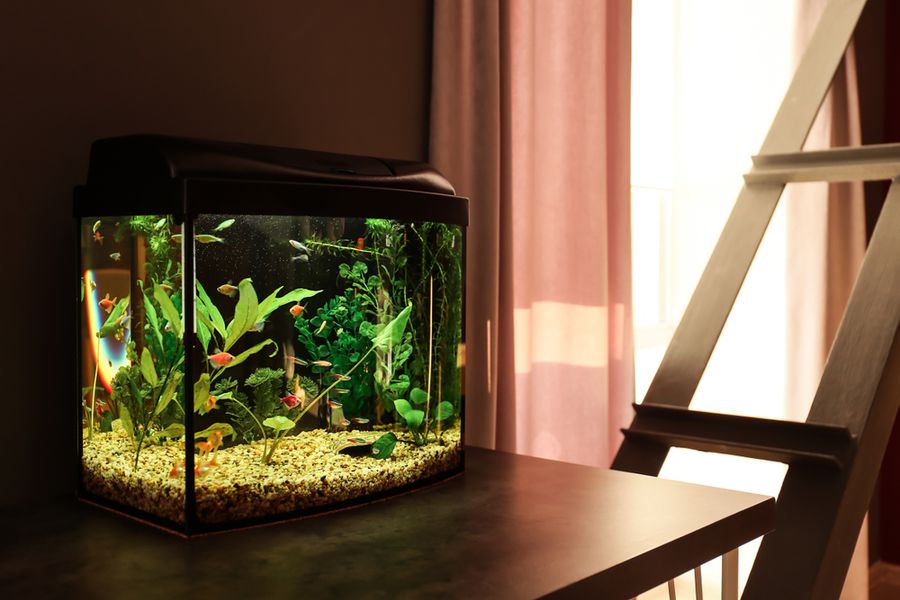
A healthy aquarium usually has clear water, active fish, and a steady routine that doesn’t demand much drama. When something starts going wrong, small clues often appear before a major problem develops. Cloudy water, unusual smells, algae growth, sluggish fish, or changes in appetite can all signal that the tank needs a closer look. Regular observation makes a big difference because aquarium problems are often easier to manage early, especially when water quality and basic maintenance are checked before conditions worsen.
The Water Looks Cloudy or Discolored
Cloudy water is one of the easiest signs to notice. A milky appearance can sometimes occur in newer tanks as bacteria establish, while green water may point to excess light and algae growth. Brown or yellowish water can come from waste, decaying material, tannins, or other changes inside the aquarium. Appearance alone won’t tell you exactly what’s wrong, but it’s a good reason to investigate.
Start by testing the water rather than immediately draining the whole tank. Check ammonia, nitrite, nitrate, and other parameters appropriate for your fish. Look for uneaten food, decaying plants, or a filter that isn’t working properly. Avoid replacing all the water at once unless there’s a specific emergency, since sudden changes can stress fish.
Your Fish Are Acting Differently
Fish behavior can reveal problems before the tank looks dirty. Watch for fish that suddenly become sluggish, hide more than usual, stop eating, gasp near the surface, clamp their fins, or spend unusual amounts of time at the bottom. Rapid changes in normal behavior deserve attention, especially when more than one fish is affected.
Water quality should be one of the first things you check. Test the tank and confirm that the temperature is appropriate for the species you keep. Look at the filter and make sure water is circulating normally. If water conditions are within a safe range but a fish still looks unwell, illness, injury, stress, or compatibility problems may be involved. Persistent or severe symptoms may require advice from an aquatic veterinarian or experienced fish-care professional.
The Tank Has a Strong or Unpleasant Smell
A maintained aquarium may have a mild earthy or watery smell, but it shouldn’t smell strongly foul. A noticeable odor can come from leftover food, dead plant material, trapped waste, a dead fish or snail, or poor water quality. Strong smells are a reason to inspect both the visible tank and areas you don’t normally check.
Look behind decorations, beneath plants, around the filter intake, and along the substrate. Remove obvious debris and test the water. If waste has accumulated, a partial water change and light substrate cleaning may help. Don’t reach for household cleaners, sprays, or scented products around the aquarium. Soap and cleaning chemicals can be dangerous to fish, even in small amounts, so tank equipment should be cleaned only with aquarium-safe methods.
Algae Is Taking Over the Glass and Decorations
A small amount of algae is common in many aquariums, but rapid or heavy growth can signal that the balance needs attention. Too much light, excess nutrients, overfeeding, and infrequent maintenance can all contribute. Algae may coat the glass, decorations, rocks, plants, or substrate and make the tank look neglected surprisingly quickly.
Start by looking at how long the aquarium lights stay on each day and whether direct sunlight reaches the tank. Reduce unnecessary lighting and avoid leaving lights on around the clock. Check feeding habits too, since uneaten food can contribute extra nutrients. Clean algae from the glass with an aquarium-safe scraper or pad. Don’t rely on algae-eating fish as a shortcut, since every added animal also adds waste and has its own care requirements.
The Filter Flow Has Slowed Down
A filter that suddenly seems weaker may be clogged with debris. Reduced flow can make it harder for the aquarium to circulate water and trap waste effectively. You might notice less surface movement, debris collecting in certain areas, or a filter that sounds different from usual. Those changes are worth checking before the filter stops working completely.
Follow the manufacturer’s instructions for your specific filter. Remove visible buildup from the intake and rinse reusable filter media gently in water taken from the aquarium during a water change. Avoid washing biological filter media under untreated tap water, since chlorine or chloramine may harm beneficial bacteria. Don’t replace every piece of filter media at once unless the manufacturer or a specific problem calls for it, because the filter is an important home for the tank’s bacterial community.
Give the Tank a Proper Partial Water Change
A partial water change is one of the most useful routine maintenance tasks. Before starting, turn off electrical equipment as directed for your setup and prepare replacement water. Use a gravel vacuum or siphon to remove some aquarium water while gently pulling debris from the substrate. You generally don’t need to remove the fish for a normal water change.
A simple routine might look like:
- Test the water before making changes
- Remove a portion of the old aquarium water
- Vacuum accessible areas of the substrate
- Wipe algae from the inside glass if needed
- Prepare fresh tap water with appropriate conditioner
- Match the replacement water temperature as closely as practical
- Slowly refill the aquarium
- Restart and check the filter and other equipment
- Test again if water quality was the reason for the change
Avoid stripping the aquarium completely clean. Beneficial bacteria live on filter media and tank surfaces, so overly aggressive cleaning can disrupt the biological balance.
A Few Minutes of Observation Can Prevent Bigger Problems
Aquarium care gets much easier when you notice small changes early. Cloudy water, odd smells, heavy algae, unusual fish behavior, and reduced filter flow can all serve as reminders to check water quality and maintenance habits. Not every change means something serious is happening, but ignoring several warning signs at once can allow a manageable issue to grow.
Try making observation part of your normal routine. Look at the fish when you feed them, glance at the filter flow, and pay attention to the water’s appearance. Combine those quick checks with regular testing and partial water changes. A fish tank doesn’t need to look spotless every second, but steady care helps create a more stable environment where problems are easier to spot and much less likely to catch you by surprise.