

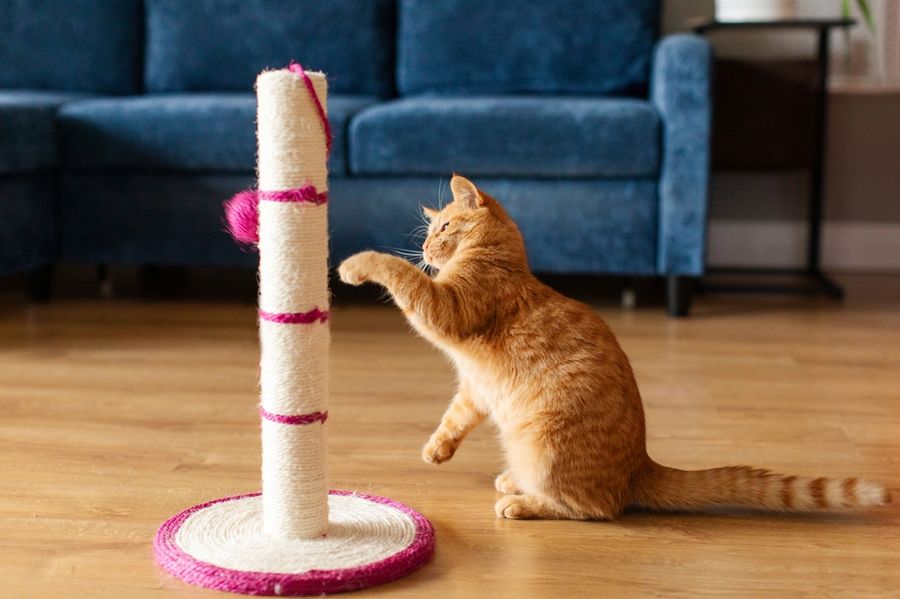
Indoor cats may have cozy beds, regular meals, and plenty of attention, but even a comfortable routine can start feeling repetitive. Cats are naturally curious animals that enjoy climbing, chasing, watching, sniffing, scratching, and investigating their surroundings. Adding a little variety to the day can give them more chances to use those instincts. You don’t need a house full of expensive toys, either. Small changes around the home can create fresh opportunities for play and relaxation without making life complicated.
Rotate Their Toys Instead of Leaving Everything Out
A floor covered in cat toys might look entertaining, but cats can lose interest when the same objects are available every day. Try keeping only a few toys out at a time and storing the rest somewhere your cat can’t access. Every few days, swap the selection so forgotten balls, toy mice, and crinkle toys feel interesting again.
You can also pay attention to which styles your cat prefers. Some love batting lightweight objects across the floor, while others are more interested in toys they can chase or pounce on. Rotation doesn’t require buying anything new, which makes it an easy way to add variety. Even bringing back a toy that disappeared into a closet for two weeks may inspire a surprisingly enthusiastic round of play.
Create a Better Window-Watching Spot
A good window can provide hours of entertainment for an indoor cat. Birds, squirrels, people, leaves, and passing cars all create movement worth watching. If your cat already spends time staring outside, make the area more comfortable with a window perch, cat tree, sturdy piece of furniture, or soft bed placed nearby.
Try choosing a window with an interesting view rather than one facing a blank wall. A bird feeder placed safely outside may add even more activity, although it should be positioned responsibly so wildlife stays safe. Make sure windows and screens are secure before giving your cat access to the area. A sunny viewing spot can serve as both entertainment and a relaxing place to nap between rounds of neighborhood surveillance.
Turn Mealtime Into a Small Challenge
Food doesn’t always have to arrive in a bowl. Puzzle feeders, treat balls, and slow feeders can encourage cats to work a little for part of their meal. You can also hide small portions of dry food in safe locations around a room and let your cat search for them.
Start with easy challenges so your cat doesn’t get frustrated. Once they understand the game, you can gradually make the hiding places or puzzle slightly harder. Even a cardboard egg carton or other cat-safe homemade setup may offer something new to investigate under supervision. Food-based activities can add mental stimulation to a routine that happens every day. Just remember to count anything used during games as part of your cat’s normal food intake rather than adding endless extra treats.
Make Time for Interactive Hunting Games
Interactive play gives indoor cats a chance to chase, stalk, and pounce in ways that solo toys can’t always provide. Wand toys are especially useful because you can move them like prey, dragging them across the floor, hiding them behind furniture, or making them dart around corners.
Try varying the speed and movement instead of waving the toy randomly. Let your cat watch, creep closer, chase, and occasionally catch it. Winning is part of the fun, so give them opportunities to grab their target before starting another round. Short play sessions can fit easily into mornings, evenings, or breaks during the day. Always put string, ribbon, and wand-style toys away afterward so your cat can’t chew or become tangled in them while unsupervised.
Add More Places to Climb and Hide
Cats often enjoy experiencing a room from different heights. A cat tree, wall-mounted shelf designed for pets, sturdy window perch, or safe furniture arrangement can give your cat more vertical territory to explore. Elevated spots may also offer a quiet retreat when the household feels busy.
Hiding places can be just as appealing. Cardboard boxes, covered beds, tunnels, and open paper bags with handles removed can give cats somewhere to investigate or relax. You don’t need to fill every room with special furniture. Even moving a favorite box to a new location can spark curiosity. Giving your cat choices about where to climb, nap, watch, or hide adds variety to an indoor environment without requiring constant entertainment from you.
Introduce New Experiences in Small Ways
Novelty can make an ordinary day more interesting, but new experiences don’t have to be dramatic. Bring home a cardboard box, move a cat tunnel to another room, place a favorite blanket in a new spot, or introduce a cat-safe scent or toy. Even rearranging part of a familiar play area can encourage exploration.
You can also create occasional supervised experiences using household objects that are safe for cats. A blanket fort, empty paper bag without handles, or maze made from boxes can turn a familiar room into something worth investigating. Keep your cat’s personality in mind, since some enjoy immediate exploration while others prefer watching from a distance first. New experiences should feel intriguing rather than overwhelming, so let your cat decide when and how to participate.
A Little Variety Can Go a Long Way
Keeping an indoor cat entertained doesn’t require planning elaborate activities every day. Rotating toys, improving a window perch, changing how meals are served, and adding more opportunities to climb or hide can make familiar surroundings feel more engaging. Short play sessions and occasional surprises can also give your cat something different to investigate without disrupting the comfort of a predictable routine.
Every cat has different preferences, so pay attention to what sparks the most interest. One may spend an hour watching birds while another would rather chase a wand toy across the living room. You don’t need to keep your cat busy every minute. A comfortable home with plenty of choices for playing, exploring, observing, scratching, and resting can make indoor life feel wonderfully full.