

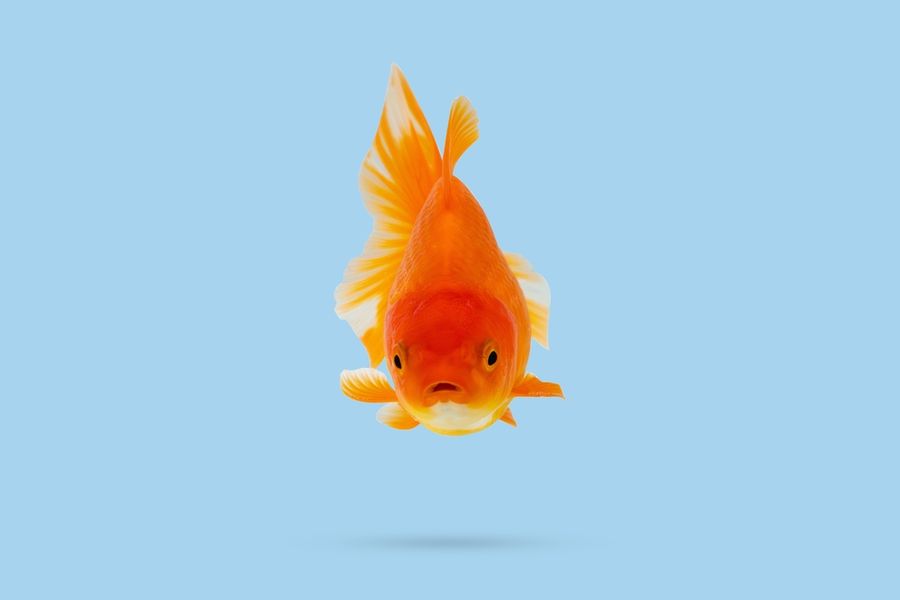
Goldfish have a reputation for being simple starter pets, but a healthy setup takes more preparation than filling a small bowl with water. They need enough swimming space, effective filtration, safe water, proper food, and an aquarium prepared before they arrive. Buying the fish first and figuring everything out afterward can create unnecessary problems. A few basic supplies and some patience can make the transition far smoother while giving your new pet an environment designed for long-term care rather than a temporary home.
What You Need at a Glance
Goldfish care doesn't require shelves full of complicated equipment, but a few essentials matter from day one. The aquarium itself is only the beginning. You'll also need equipment for keeping the water clean, monitoring its condition, feeding your fish, and performing regular maintenance.
|
What You'll Need |
Why You Need It |
|---|---|
|
Properly sized aquarium |
Provides swimming space and more stable water conditions |
|
Aquarium filter |
Helps remove waste and supports beneficial bacteria |
|
Water conditioner |
Makes treated tap water safer for aquarium use |
|
Water test kit |
Checks ammonia, nitrite, and other water conditions |
|
Aquarium thermometer |
Helps you monitor water temperature |
|
Goldfish food |
Provides nutrition appropriate for the species |
|
Substrate and safe decorations |
Adds enrichment and structure |
|
Gravel vacuum or siphon |
Makes partial water changes easier |
|
Aquarium-only bucket |
Helps with cleaning and water changes |
|
Fish net |
Useful when a fish must be safely moved |
Having the supplies ready before buying your goldfish gives you time to set up everything properly instead of rushing once a living animal is already depending on the tank.
Choose an Aquarium Instead of a Small Bowl
The classic image of a goldfish swimming in a tiny glass bowl is misleading. Goldfish need considerably more room than a bowl can offer, and they can grow much larger than many first-time owners expect. Larger aquariums also tend to provide more stable water conditions and enough space for proper filtration.
Choose your aquarium with the adult size and variety of goldfish in mind, not just the tiny fish you see at the store. Single-tailed and fancy goldfish can have different needs, so research the variety before buying a tank. You'll also need a sturdy stand capable of supporting a filled aquarium. Water is heavy, and the tank should sit on a secure, level surface away from locations with extreme temperature changes.
Get a Filter and Cycle the Tank Beforehand
A filter isn't an optional accessory for a goldfish aquarium. Fish produce waste that contributes ammonia to the water, and ammonia is toxic. Biological filtration provides a home for beneficial bacteria that help process ammonia into nitrite and eventually nitrate. Even clear-looking aquarium water can have unsafe chemical conditions that can't be spotted just by looking at it.
Set the aquarium up and cycle it before bringing your goldfish home. Fishless cycling allows beneficial bacterial colonies to establish without exposing a fish to harmful spikes in ammonia or nitrite. The process can take time, so don't plan on buying a tank and a goldfish during the same quick shopping trip. Preparing ahead gives the aquarium a chance to develop a safer biological balance.
Stock Up on Water Conditioner and a Test Kit
Tap water can't always go directly from the faucet into a fish tank. Municipal water commonly contains disinfectants such as chlorine, so an appropriate aquarium water conditioner should be part of your supplies. You'll use it whenever adding fresh tap water during setup and routine water changes. Follow the product directions carefully rather than guessing at the amount.
You'll also need an aquarium test kit. Testing lets you monitor important water conditions, including ammonia and nitrite, both of which should remain at safe levels in an established aquarium. Water can look perfectly clean while still containing substances that are dangerous to fish, making visual checks alone unreliable. Keep a thermometer in the aquarium too so you can notice unusual temperature changes before they create additional stress.
Add Safe Substrate, Plants, and Decorations
An aquarium doesn't need to be packed with decorations, but a thoughtful environment gives a goldfish more to explore. Aquarium-safe gravel, plants, rocks, and other features can add interest while making the tank more attractive. Any substrate should be smooth, properly cleaned before use, and suitable for goldfish so it doesn't create an unnecessary injury or swallowing risk.
Leave plenty of open swimming space rather than filling every inch with ornaments. Plants can provide shade, shelter, and environmental enrichment, although goldfish may nibble or disturb some varieties. Avoid sharp decorations and objects collected outdoors unless they're known to be safe for aquarium use. Decorations made specifically for fish tanks are generally easier for a beginner to evaluate and maintain.
Buy the Right Food and Feeding Supplies
Goldfish need food made for goldfish rather than whatever fish flakes happen to be nearby at the store. Look for a reputable food labeled for goldfish and appropriate for the size of the fish you're bringing home. You can ask the seller what the fish has already been eating so the first few meals are familiar.
Overfeeding is a common mistake because feeding fish is enjoyable and they can appear eager whenever you approach. Too much food can contribute to poor water quality when leftovers and extra waste accumulate. Start with appropriate portions and remove uneaten food rather than repeatedly adding more. Keep the container sealed and dry, and don't buy enormous quantities that may sit around for a very long time before they're used.
Prepare for Regular Tank Maintenance
Buying the aquarium is only the beginning. You'll need a siphon or gravel vacuum for removing debris and carrying out partial water changes, along with a bucket reserved only for aquarium use. Don't use a household cleaning bucket that may contain traces of soap or chemicals. Store your maintenance supplies together so routine cleaning doesn't turn into a search around the house.
Learn how your filter should be maintained as well. Filter media shouldn't automatically be scrubbed spotless under untreated tap water because beneficial bacteria live there. Partial water changes help manage waste that filtration alone can't remove, making them part of regular aquarium care. Setting up a simple maintenance routine from the beginning can make caring for a goldfish much easier than waiting until the tank looks dirty.
Give the Aquarium a Head Start
The most important thing to have before your first goldfish may be something you can't buy: time. A properly prepared aquarium needs more thought than a bowl filled on the way home from the pet store. Choosing an appropriate tank, establishing filtration, conditioning the water, and checking water quality before adding a fish can prevent many beginner problems.
Once the setup is ready, goldfish care can settle into a manageable routine of feeding, observation, testing, and partial water changes. You'll still learn plenty along the way, but starting with the right equipment gives you a much stronger foundation. A goldfish may be a common first pet, yet giving one a spacious, stable, well-maintained home deserves the same thoughtful preparation you'd give any other animal.