

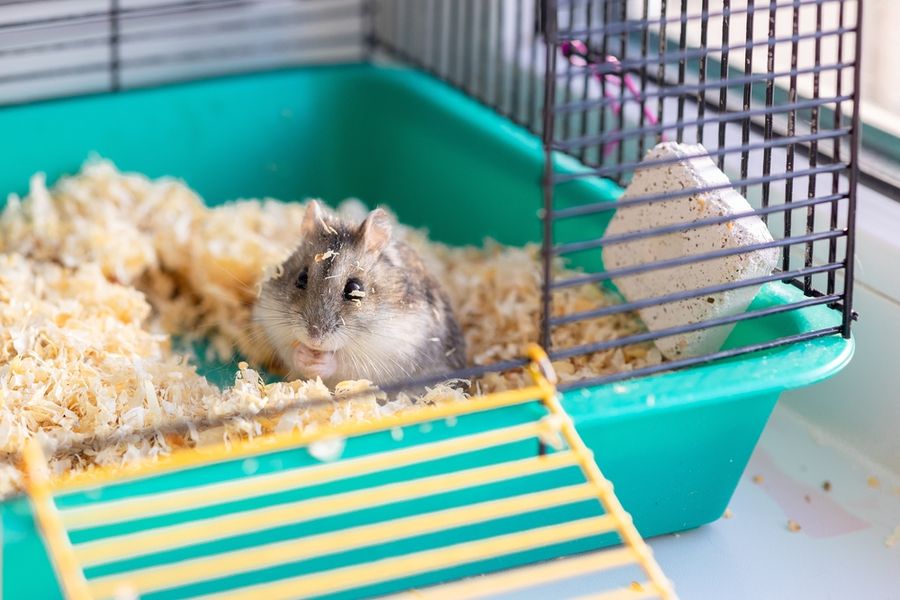
A hamster can seem like one of the easiest pets to bring home. They’re small, don’t need walks, and take up far less space than a cat or dog. But a smooth first few days depend on more preparation than many new owners expect. Hamsters have specific habits, routines, and comfort needs that can be easy to overlook at first. A little planning before pickup day can make the adjustment much easier for both you and your new pet.
Start With the Right Expectations for a Hamster
Hamsters can be entertaining pets, but they don’t necessarily behave like tiny dogs or cats. Many sleep through much of the day and become more active in the evening or at night. They also may not enjoy being picked up immediately, especially while adjusting to unfamiliar surroundings. Giving a hamster time to settle can make early interactions less stressful.
It’s also important not to assume your new pet needs a hamster companion. Hamsters are generally solitary animals and can become aggressive toward other hamsters, so housing them together can create problems. Before bringing one home, learn which species you’re getting and what care needs apply to that particular hamster.
Choose a Habitat With Plenty of Floor Space
Tiny starter cages may look convenient, but hamsters need enough room to move, dig, hide, forage, and exercise. A spacious enclosure with a solid floor is much more useful than a tall cage that relies heavily on levels. Hamsters also need enough enclosure depth to accommodate a thick layer of bedding for natural burrowing behavior.
Security matters just as much as size because hamsters are skilled escape artists. Check doors, lids, bars, and ventilation before your pet arrives. PDSA recommends a large single-level enclosure and notes that hamsters need deep bedding, hiding areas, and room for enrichment. Place the habitat in a quiet area away from direct sunlight, drafts, heavy vibrations, and busy household traffic.
Give Your Hamster Enough Bedding to Burrow
Bedding does much more than make the bottom of the enclosure comfortable. Hamsters naturally dig tunnels and create burrows where they sleep, hide, and store food. A deep layer gives your pet the chance to perform those behaviors rather than simply sitting on a thin covering spread across the cage floor.
Choose soft, absorbent, low-dust bedding that can hold tunnels reasonably well. Paper-based bedding is a common option, and soft hay can sometimes be mixed in to add structure. Avoid fluffy cotton-style nesting materials because strands can become wrapped around a hamster’s legs or cause serious problems if swallowed. Add enclosed hiding places and give your hamster safe nesting material they can arrange on their own.
Add a Safe Wheel, Hides, and Things to Do
A wheel is one of the most important pieces of hamster equipment, but size and design matter. The running surface should be solid rather than made from wire or widely spaced bars, and the wheel should be large enough for your hamster to run without bending its back. Wheels of at least 8 inches for dwarf hamsters and 12 inches for Syrian hamsters,
Don’t let the wheel provide all the entertainment. Cardboard tubes, tunnels, hideouts, chewable materials, and opportunities to forage can make the enclosure much more interesting. A sand bath can also support natural grooming behavior. Rotating a few safe enrichment items occasionally can add variety without completely rearranging the hamster’s familiar territory.
Stock the Right Food and a Reliable Water Source
A good hamster diet starts with food specifically formulated for hamsters rather than a random mixture of seeds or human snacks. Hamsters are omnivores, and a balanced diet can include appropriate commercial food along with small amounts of suitable vegetables and occasional treats. Sudden diet changes can cause digestive problems, so find out what food your hamster has been eating before bringing them home.
Fresh water should always be available. A hamster-safe bottle is convenient, but check it every day to make sure the nozzle isn’t blocked or leaking. Hamsters also naturally spend time searching for food. Once your pet settles in, scattering or hiding part of the daily food around the enclosure can encourage foraging instead of serving every meal in one bowl.
Have the Essentials Ready Before Pickup Day
Buying everything before your hamster arrives means you can build the enclosure, test the water bottle, and make adjustments without disturbing a new pet. It also prevents a rushed trip to the store after realizing an important item is missing.
A basic setup should include:
- A spacious, secure hamster enclosure
- Plenty of safe, low-dust bedding
- Soft nesting material
- At least one enclosed hide
- A properly sized solid-surface exercise wheel
- Hamster food
- A water bottle or other appropriate water source
- Safe chew items
- Tunnels, cardboard tubes, or other enrichment
- A hamster-safe sand bath
- A small carrier for transportation
- Pet-safe cleaning supplies
Set everything up before pickup and make sure the wheel turns freely, the water source works, and doors or lids close securely. Having a carrier on hand is especially useful because you’ll need a safe way to bring your hamster home and transport them later if veterinary care is needed.
Give Your New Hamster Time Before Handling
Bringing a hamster home can be exciting, but the first few days shouldn’t revolve around picking them up. A new enclosure contains unfamiliar smells, sounds, bedding, and people. Let your hamster investigate, build a nest, locate food and water, and establish hiding areas before expecting much interaction.
When you begin handling, move slowly and allow the hamster to approach you rather than grabbing from above. Hamsters are prey animals, so being suddenly lifted can be frightening. Offering a small treat from your hand can help your pet become familiar with your presence. Keep early sessions short, and remember that waking a sleeping hamster for play can make handling harder rather than easier.
Plan for Cleaning, Health Checks, and Veterinary Care
Hamster care continues well beyond feeding and refilling the water bottle. Spot-clean wet bedding, remove spoiled fresh food, and keep feeding and drinking equipment clean. Large enclosures usually don’t need to be completely stripped every few days. Leaving some clean, familiar bedding during deeper cleaning can help preserve scents that make the habitat feel familiar.
It’s also worth finding a veterinarian who treats hamsters before an urgent problem appears. Small pets can sometimes hide signs of illness, so changes in appetite, drinking, activity, appearance, or normal behavior deserve attention. Knowing where you’d seek help removes one decision during a stressful situation.
A Good Hamster Home Starts Before Arrival
Bringing home your first hamster is easier when the enclosure is already designed around what a hamster naturally wants to do. Enough room to burrow, a properly sized wheel, safe bedding, hiding places, balanced food, fresh water, and enrichment create a much stronger starting point than a small cage filled with a few basic accessories.
Preparation also gives you time to think beyond the shopping list. Decide where the enclosure will go, learn your hamster’s normal activity schedule, locate a veterinarian, and plan to give your new pet space to settle in. A thoughtful setup can make the first days calmer for both you and your hamster.