

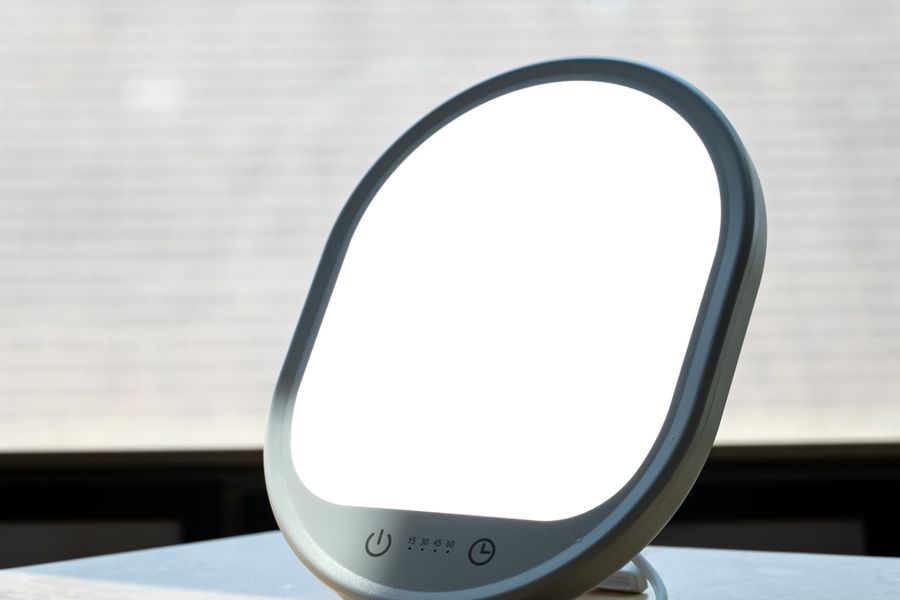
Dark winter mornings can make it harder to wake up, focus, and keep a steady daily schedule. Light therapy lamps provide bright artificial light when natural morning light is limited, but choosing the brightest model isn’t enough. The lamp’s intensity, recommended distance, placement, timing, and fit with the user’s health history all shape how practical it is. A well-planned setup can make the routine easier to follow throughout the darker months.
What a Light-Therapy Lamp Is Meant to Do
A light-therapy lamp, often called a light box, produces light that’s much brighter than ordinary indoor lighting. Bright-light therapy has been used for winter-pattern seasonal affective disorder, a form of depression that follows a seasonal pattern. It aims to make up for reduced natural light during darker months and influence the body systems involved in mood, sleep, and daily rhythms.
That purpose separates a therapeutic light box from a standard desk lamp, decorative bulb, or tanning device. The goal isn’t simply to make the room look brighter. It’s to deliver a suitable amount of visible light to the eyes while limiting ultraviolet exposure. A lamp designed for skin treatment or tanning serves a different purpose and shouldn’t be treated as a substitute.
How Bright-Light Therapy Works in Practice
The user sits near the lamp with their eyes open while doing an ordinary morning activity, such as eating breakfast, reading, or working. They don’t stare directly into the panel. Light reaches the eyes indirectly and acts on retinal cells connected with areas of the brain that help control circadian rhythms, which are the internal patterns that influence sleep and wake timing.
Guidance commonly centers on a light box that delivers 10,000 lux, used early in the morning for a limited session. However, lux describes the light received at a particular point, not a permanent strength that reaches the user from anywhere in the room. The correct distance and session length therefore come from the device instructions and, when light therapy is being used for a health condition, guidance from a qualified professional.
Four Factors That Shape a Useful Morning Routine
A workable setup depends on more than the number printed on the product page. Four factors deserve separate attention: the light delivered at the intended distance, the time of morning it’s used, the ease of placing it correctly, and any health condition or medication that changes the safety discussion.
These factors affect different parts of the decision. Brightness and distance determine the actual exposure. Timing affects sleep and daily rhythm. Placement affects whether the lamp gets used consistently. Health history can determine whether professional guidance should come before use.
Check Brightness at the Recommended Distance
Lux is a measure of light intensity at the point where it’s received. A claim of 10,000 lux is only useful when the manufacturer also explains how far the user should sit from the lamp. A compact device may deliver that intensity only at a short distance, while a larger panel may allow more freedom of movement.
Check the manual or product specifications for both the lux level and the matching distance. Then compare that distance with the place where the lamp will be used. A model that requires very close positioning may be awkward during breakfast or computer work. A lamp that fits naturally beside the user is more likely to remain part of the routine
Use Morning Timing Deliberately
Morning use is commonly recommended because bright light can affect circadian timing. Winter-pattern light therapy is daily exposure that usually occurs first thing in the morning. Mayo Clinic guidance places typical use within the first hour after waking.
Later use isn’t automatically interchangeable with morning exposure. Bright light late in the day may interfere with sleep for some people. Check the intended schedule before choosing a lamp location. Someone who needs to use it soon after waking may benefit more from a permanent breakfast-table or desk setup than from a device stored in a closet between sessions.
Make Placement Easy Enough to Repeat
The lamp should sit near the user without shining straight into the eyes. It can be positioned in front or slightly to the side, depending on the manufacturer’s directions. The user keeps their eyes open but continues with another activity rather than staring at the panel.
The best location is often the place where the morning already happens. A stable lamp beside a coffee maker, breakfast seat, or work area creates less friction than a unit that must be assembled and moved each day. Check whether the stand can hold the required angle and whether the panel fits without blocking a screen or creating distracting glare. Convenience isn’t merely cosmetic when regular use is part of the plan.
Review Health Conditions and Medications First
Bright-light therapy is generally well tolerated, but it isn’t suitable for every person without added guidance. People with bipolar disorder should discuss its timing and use with a healthcare professional because bright light may contribute to manic symptoms. People with certain eye conditions should also seek advice before starting.
Some medications can increase sensitivity to light. Possible side effects can include headache, eye strain, irritability, fatigue, blurred vision, or sleep trouble. Check medication warnings, the lamp instructions, and any relevant advice from an eye specialist or healthcare provider. Stop treating discomfort as something that must simply be endured. It may indicate that the timing, distance, duration, or suitability of the device needs review.
More Brightness Isn’t Always the Better Choice
A common mistake is assuming that the brightest-looking lamp will deliver the best result. Brightness alone doesn’t settle the decision because light dose also changes with distance, duration, wavelength, and timing. A lamp can advertise a suitable lux level and still be a poor fit if the user can’t sit at the required distance or use it at the intended time.
The more useful purchase is the device that provides clear instructions and fits the actual morning space. Extra color settings, touch controls, and decorative designs may improve convenience, but they don’t replace correct exposure conditions. The underweighted factor is often placement: a less elaborate lamp that stays correctly positioned may serve the routine better than a feature-heavy model that’s frequently moved or ignored.
Match the Lamp to the Morning
Choose a larger panel or more flexible stand when the morning activity involves movement, such as eating breakfast or working across a wide desk. The extra positioning freedom may make the routine easier, though the device may take up more permanent space.
Choose a compact model when storage or travel matters and the required sitting distance still feels practical. The trade-off may be a smaller useful area and less freedom to shift position during the session.
Someone using bright-light therapy for seasonal depression, persistent low mood, or major sleep changes should treat the lamp as one part of a broader health discussion rather than as a guaranteed solution. Light therapy may be used alone or alongside psychotherapy or medication, depending on the person’s needs and professional guidance.
Build the Routine Around the Light You’ll Actually Receive
The first specification to verify is the lamp’s stated lux level at the recommended sitting distance. Then confirm that the device can remain in a practical morning location and that its intended timing fits the user’s schedule and health needs.
Light therapy lamps can support dark winter mornings, but their usefulness rests on correct exposure and repeatable use rather than brightness claims alone.