

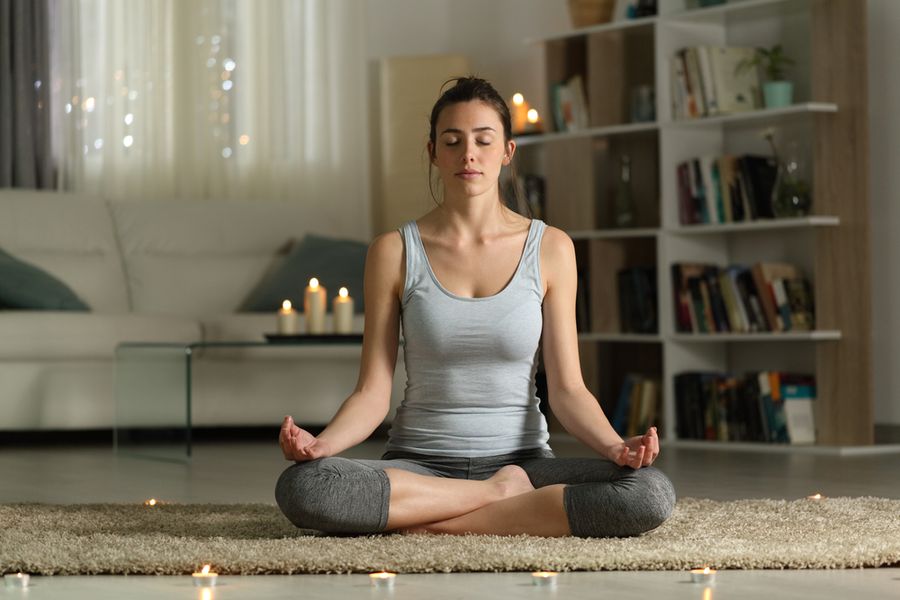
Meditation can look deceptively simple from the outside, which makes it easy to assume you are doing something wrong when your first attempts feel restless, distracted, or awkward. In reality, many of the expectations people bring to meditation make the practice harder than it needs to be. Clearing away a few common misconceptions can help you approach it with less pressure, experiment with what works for you, and build a routine that fits naturally into everyday life.
1. There Is Only One Correct Way to Meditate
Meditation is not a single technique with one required set of rules. Different practices may direct attention toward breathing, a repeated word or phrase, a sound, a visual image, or present-moment awareness without judgment. That variety means a technique that feels frustrating does not necessarily mean meditation itself is a poor fit.
Experiment with different approaches before deciding what your practice should look like. You might prefer following your breath, using a guided recording, repeating a simple phrase, or paying attention to physical sensations. The useful question is not whether your method looks traditional enough, but whether it gives you a clear point of focus.
2. A Wandering Mind Means You Are Failing
One of the easiest ways to become discouraged is to expect your thoughts to disappear. Attention naturally wanders during meditation. A basic mindfulness practice involves noticing that wandering and gently returning attention to the chosen focus rather than judging yourself for becoming distracted.
That return is part of the practice rather than evidence that the practice has gone wrong. If you spend several minutes thinking about dinner, tomorrow's workload, or an awkward conversation before noticing what happened, simply redirect your attention. There is no need to restart the timer or treat the session as wasted.
3. You Have to Sit Cross-Legged on the Floor
The familiar image of meditation often involves sitting perfectly still on a cushion, but that posture is not a requirement. Beginners can meditate while sitting in a chair, sitting cross-legged, or kneeling, provided the position feels stable enough to maintain comfortably.
Choose comfort and stability over trying to imitate an idealized pose. A chair may work better if sitting on the floor creates strain, while a cushion may help someone who naturally prefers a lower position. Spending an entire session thinking about an uncomfortable knee or stiff back does little to make the practice easier to sustain.
4. Meditation Only Counts if You Do It for a Long Time
A lengthy session can be useful for someone who enjoys it, but beginners do not need to begin with an ambitious time commitment. Short sessions of five or 10 minutes are a practical starting point, and even a brief practice can introduce the basic cycle of focusing, noticing distraction, and returning attention.
Starting small can also remove one of the most common practical barriers: finding time. Five minutes before breakfast or after shutting down your computer may feel much more realistic than scheduling a long block every day. You can always extend the session later if longer practice begins to feel useful rather than obligatory.
5. You Need a Completely Silent Meditation Space
A calm environment can make concentrating easier, particularly when you are learning, but perfect silence is not essential. Meditation and related mindfulness practices can be used in many settings, including while walking, riding public transportation, or waiting for an appointment.
At home, that means you do not need a dedicated meditation room before starting. A bedroom chair, a corner of the living room, or another reasonably comfortable spot can work. If traffic, neighbors, or household sounds appear, they do not automatically ruin the session. Notice the distraction, then return to whatever you chose as your focus.
6. Missing a Day Means You Have Lost Your Progress
Turning meditation into another perfect daily streak can create exactly the kind of pressure that makes a new routine difficult to maintain. Establishing a regular time can help build consistency, but missing a day or two does not mean you need to start the entire process again.
Instead of measuring success by an unbroken calendar, make restarting easy. Attach meditation to something you already do, such as making morning coffee, finishing lunch, or brushing your teeth at night. When you miss a session, return at the next convenient opportunity rather than waiting for a new week or a more “disciplined” version of yourself.
Make Meditation Easier to Come Back To
A sustainable meditation practice does not require an empty mind, a perfect posture, a silent room, or lengthy daily sessions. It requires a way to begin, notice what happens, and return to the practice without turning every distraction or missed day into a failure.
Start with a method and time commitment that feel manageable. Sit somewhere comfortable, choose a simple focus, and expect your attention to wander. If five minutes works, begin there. If you skip tomorrow, resume the day after. Removing unrealistic expectations can make meditation feel less like a skill you must master and more like a practice you can continue developing at your own pace.